
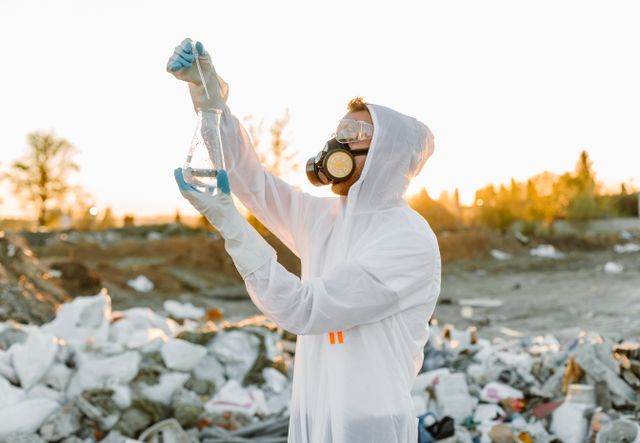
All Australian workplaces that store, transport or handle hazardous liquids must have an established response plan. Chemical spills may happen anywhere chemicals are kept, including in schools, farms, transport depots, workshops, laboratories, warehouses, and manufacturing facilities; they can happen suddenly and without any apparent reason.
With the use of the right chemical spill kits in Australia, teams can act quickly to protect individuals, reduce harm to the environment and continue with business operations.
Importance of Spill Preparedness in Industrial Premises
A chemical spill can pose different types of issues to staff, visitors, equipment, floors, drains, soil, and waterways. Small quantities of spills can still result in substantial damage if they are not contained properly and in a timely manner, utilising a spill kit that is capable of performing such a function. These kits support quick isolation, absorption, clean-up and disposal, as well as demonstrate to the outsiders that your company takes workplace safety seriously.
Common Spill Hazards in Australian Workplaces
Many Australian workplaces manage or store large quantities of acids, alkalis, solvents, fuels, coolants, cleaning agents, paints, fertilisers and/or chemicals found in laboratories. These elements are generally stored in containers, drums, bottles, tanks, vehicles and/or processing areas.
Common causes of spills are:
- Poor storage practices
- Damaged containers
- Fork-lift incidents
- Over-filling containers
- Human errors
How to Choose Chemical Spill Kits for Your Facility
General-purpose absorbents are not appropriate for aggressive/ hazardous chemicals. This is why chemical spill kits with more generalised chemical compatibility provide better spill response support.
Before choosing your spill kit, businesses should review their SDSs (Safety data sheets) as well as their storage areas, traffic patterns and emergency procedures.
What a Quality Spill Kit May Contain?
A quality chemical spill kit may contain absorbent pads, socks, pillows, disposal bags, gloves and safety equipment, and instructions, all clearly labelled. Where spill kits are required on larger sites, mobile spill kits or wheelie bins may be more appropriate.
Proper training and regular inspections must be provided. Employees need to know the location of the spill kits, the correct use, when to use spill kits, how to keep themselves safe while using the spill kit and how to report an incident. Regular inspections will ensure that clean absorbents are handy, damaged items are replaced and instructions remain legible.
Summary: Rely on A Trusted Supplier for Your Spill Kit Needs
A reliable supplier will help you find spill response equipment and any other relevant products, such as replacement absorbents, signage, and site safety products. Spill Station is an Australian business that produces and supplies different types of liquid safety and environmental protection systems. To find more about their products, visit https://www.spillstation.com.au/.