
It’s Not Like That’s cancellation proves there’s no rhyme or reason for anything anymore.
It’s that exact level of unpredictability in the television landscape that has left viewers wary, distrustful, and fed up.
Because if a series that constantly trended on one of the major streamers, had the star power of Scott Foley and Erinn Hayes, and flawless reviews from critics and audience alike can’t survive, then what can?

What’s the point of anything anymore?
It’s the same song and dance when it comes to some of the decisions around cancellations.
In the many years that I’ve been writing about television, I’ve penned far too many pieces expressing the same fatigue, outrage, and frustration.
So, here I am again.
We’re in a deficit when it comes to family dramas that bring the entire family together, have a bit of realism, but, more importantly, heart, and reflect the modern family in all its glory.
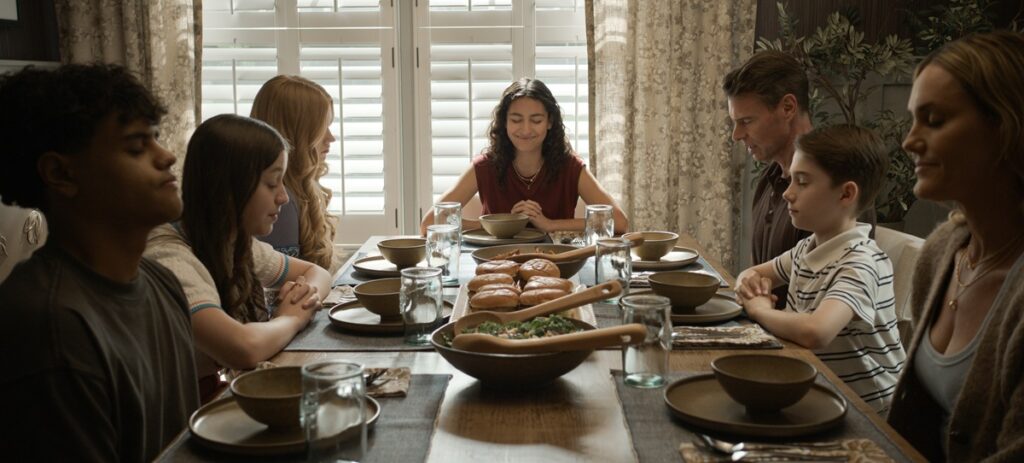

We’ve expressed at large how it feels like the family drama era has come to a close without our permission, as networks and streamers move away from these types of shows in favor of any rendition of a dozen medical or police dramas, reality TV, or the occasional action-geared drama, if we’re lucky.
But legitimate family dramas are so few and far between that I’ve resorted to clinging to any bits of family-oriented programming in things that aren’t explicitly marketed as such.
Boston Blue still gives us a taste. Hell, My Life With the Walter Boys can scratch an itch.
But nothing has quite reached the heights of a series like This Is Us, Parenthood, The Fosters, or even the slew of family-focused programming from the early 2000s, at least.
It’s Not Like That coming on the scene, giving us a faith-based drama that felt more spiritual than overtly religious, thus succeeding in NOT alienating any viewers, and serving up a complicated but endearing familial dynamic between two families was nice.


Actually, it was more than nice. It was refreshing and necessary — as it filled a void that we’ve been missing for a while.
The series was the exact type of show that revitalized the family genre, and it was a spark of hope that maybe, finally, we’d get something substantial that could last for seasons to come.
But inexplicably, we have a cancellation instead. And the worst part is that it’s nonsensical.
Prime Video doesn’t release viewership numbers, but the series spent time in the platform’s Top 10 after finally reaching the main service. That alone makes its cancellation feel even more baffling.
Truthfully, that was the first move that felt like the series was shooting itself in the foot. Sticking the show behind a paywall by only making it exclusive to Wonder Project from January to May was a puzzling move.

Most people wouldn’t have the luxury of experiencing the series’ beauty until it debuted on Prime Video in May.
But I can’t help but wonder how many viewers the series lost simply because they started it back in January, realized they would have to pay for additional episodes, and never revisited it, even as it was climbing Prime Video‘s trending charts?
That terrible amount of confusion was more frustrating than ever, especially when I had the pleasure of watching the series and seeing how delightful it was.
It’s Not Like That was quirky, warm, and overflowing with heart. It delivered genuine life lessons without ever feeling preachy, and it populated its world with flawed people simply trying to do their best.
The series offered a very organic exploration of powerful themes such as grief, forgiveness, identity issues, loneliness, depression, and more.

Somehow, It’s Not Like That gave us these stories without making every installment feel like “a very special episode” about their theme of the hour.
The characters, especially when they settled into themselves, were so rich and fun to watch.
Better yet, the show understood that life’s greatest conflicts don’t require villains, just ordinary people trying to navigate impossible situations while doing their best.
A character like David evolved into one of the most compelling as we delved into his insecurities and battles with alcoholism.
Lori’s conflict between helping Malcom raise her best friend’s children while catching feelings, and, at times, struggling with her own feelings, felt visceral.
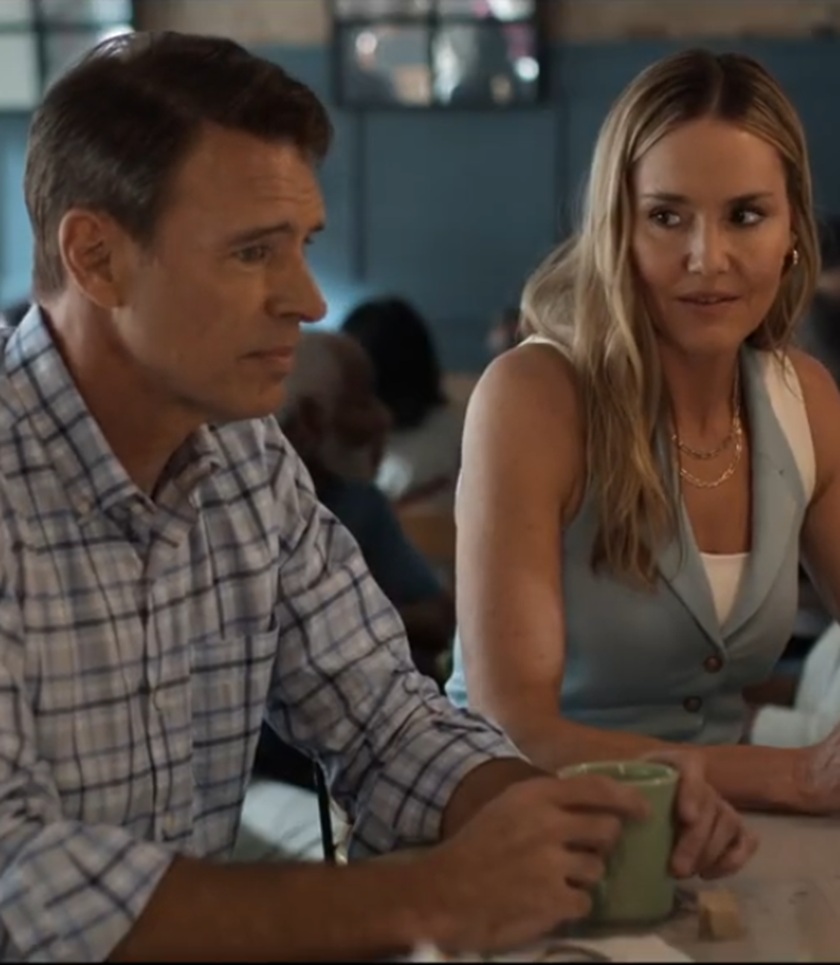
Malcolm constantly battling what it meant for him to move forward from his wife’s death while still grieving was raw and real.
And each of the Soto and Jeffries children battled their own issues; watching them navigate the roads we all face at some point in our lives is compelling.
Like a true and proper family drama, It’s Not Like That treated story arcs with the teens with the same weight and care as those with the adults.
And those were some of the stories that I looked forward to seeing most.
Sure, It’s Not Like That’s finale left us in the lurch regarding Lori’s love life: was it Malcolm she truly desired, or David? A second chance at love, or a second chance?
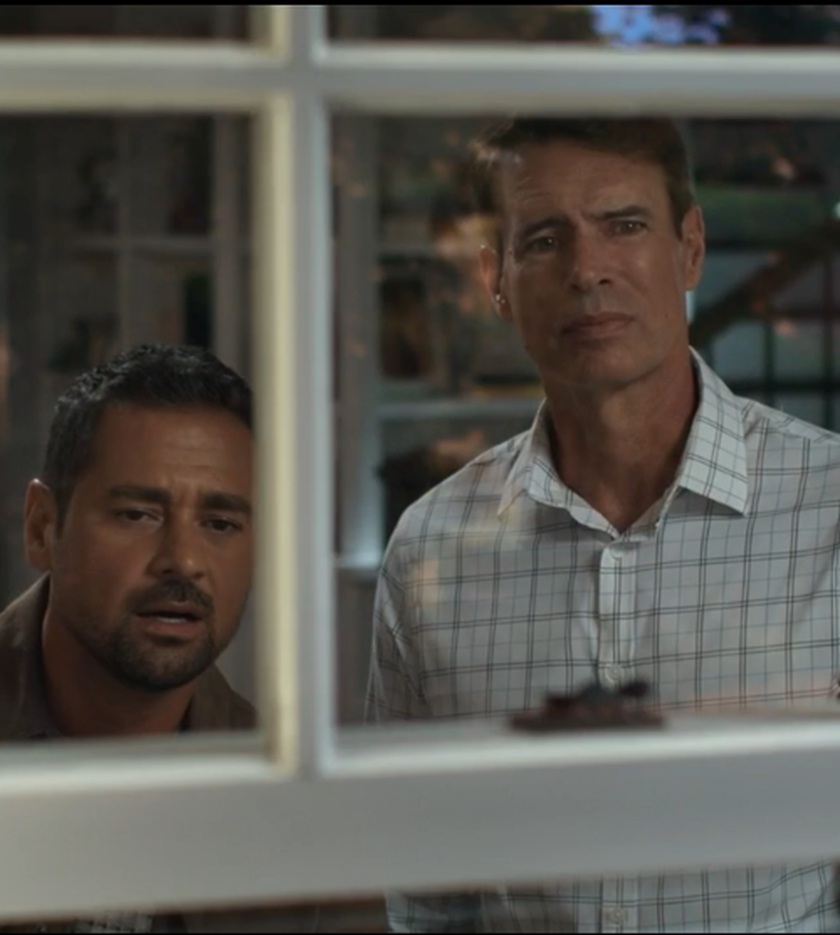
But frankly, it’s the children whom I held dearest of all. Would Merritt get the help he needed and learn how to navigate the disease that is alcoholism?
Will music continue to be Flora’s path forward and the saving grace that helped her manage her depression and previous battle with self-harm?
Would Casey and Pen continue to come into their own as young women traversing the rough waters of teenage girlhood and remember that they’re stronger, better, as soul sisters, than they are apart?
And does sweet Justin intend to walk in his father’s footsteps?
Those were the stories that were itching to be told, explored thoroughly in another season.


At this point, I’m not even angry anymore. I’m tired.
Tired of watching genuinely heartfelt family dramas disappear before they have the chance to find an audience.
I’m tired of seeing an entire demographic of viewers treated like an afterthought.
And tired of watching series with something meaningful to say get lost because of confusing release strategies or inexplicable business decisions.
Every year we hear that audiences want stories about connection, hope, family, and community. Then one finally arrives, and somehow, inevitably, it still slips through the cracks, or it’s deemed unworthy.
Over to you, It’s Not Like That Fanatics. How are you dealing with this news? Was this cancellation deserved or a disservice?
-

It’s International Kissing Day, and we wanted to celebrate with 15 of the sexiest TV kisses that’ll get your hearts racing.
-

Joseph Chiu opens up about creating Jordie, his complex love triangle, and what he wants for Jordie’s future in Every Year After Season 2.
-

With shows like The Summer I Turned Pretty and Off Campus, Prime Video is bringing back the iconic soundtracks that define YA television.
-

We love to ship our favorite TV characters, but what about the stars pairing up off-screen? Check out our list of real-life power couples!
-

Did Every Year After’s biggest book changes make the Prime Video adaptation better — or did they sacrifice the characters fans love?